The Biggest Misconception About AI in Events
Over the last year or two, I’ve had countless conversations with event organisers, operations teams, and partners about AI in events.
Some are excited.
Some are sceptical.
Most are unsure what to make of it.
AI has been sold to the event industry as everything from magic automation to a threat to jobs. In my experience, neither extreme is particularly useful.
What’s missing from most of the conversation is a grounded understanding of where AI actually creates value in real event operations.
(This is something I also touch on in my broader thinking around event operations and scale here: Events Are Not Broken
The misconception: AI is about replacing people
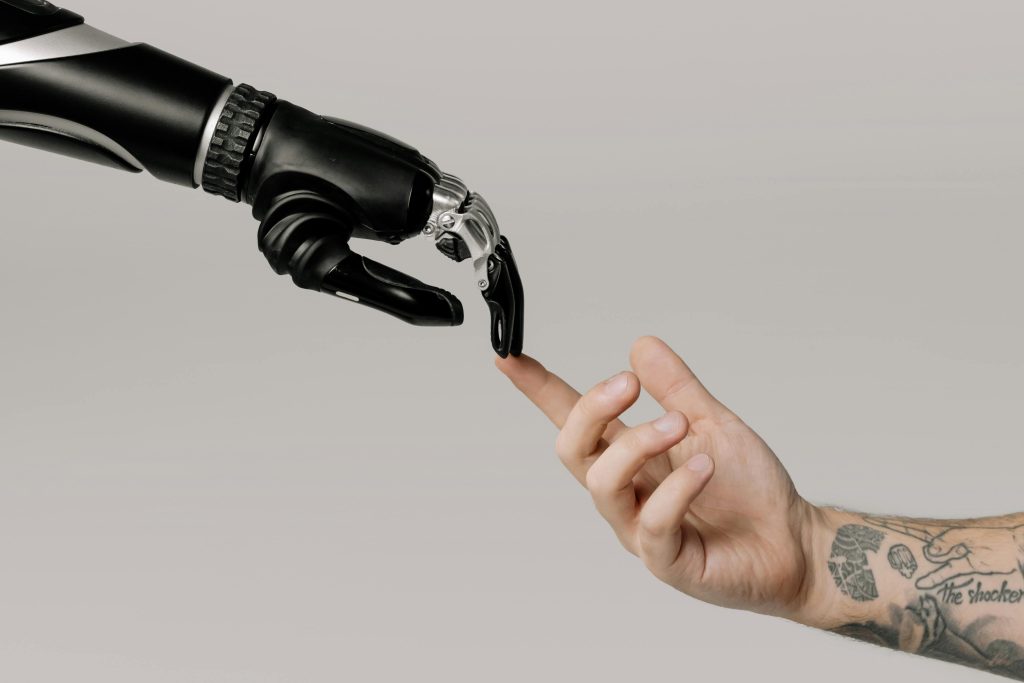
The most common fear I hear is that AI in events is about replacing humans.
That’s not how it plays out in well-run events.
Events are deeply human experiences. They rely on empathy, judgement, creativity, trust, and the ability to read situations in real time. No AI system is replacing the person calming a nervous athlete, managing a stressed vendor, or making a call in a live environment.
In practice, the real opportunity for AI isn’t replacing people.
It’s supporting them.
This aligns with what we’re seeing across other industries too. Even at enterprise level, AI adoption that works focuses on augmentation, not replacement: Read Here
The real value of AI is reducing cognitive load
Event teams operate under constant pressure.
They’re juggling live environments, time-sensitive decisions, large volumes of information, and high emotional stakes, often all at once.
In my experience, most stress doesn’t come from the work itself.
It comes from remembering, searching, repeating, and second-guessing.
This is where AI actually shines.
Used properly, AI can:
- Surface the right information at the right time
- Answer repetitive questions consistently
- Support onboarding and training
- Reduce mental clutter for teams
The outcome isn’t fewer people.
It’s calmer, more effective people.
This idea of reducing cognitive load rather than increasing productivity metrics is something that’s well documented in operations and systems thinking:
https://hbr.org/2017/01/the-hidden-costs-of-fragmented-work
Quiet AI beats flashy AI every time
The most successful uses of AI in events are almost invisible.
They don’t feel like bots.
They don’t interrupt the experience.
They don’t demand attention.
They quietly:
- Make information easier to access
- Reduce friction in communication
- Catch small issues before they escalate
When AI is working well, people often don’t notice it at all. They just notice that things feel smoother, faster, and less stressful.
That’s the goal.
This same principle applies to event communication more broadly, which I’ve written about in the context of operational clarity and information flow here
Why AI struggles when events move too fast
A lot of AI projects in the event industry fail for the same reason.
They skip structure.
AI cannot fix:
- Messy information
- Conflicting documents
- Unclear processes
If an event doesn’t have a clear source of truth, AI simply amplifies the confusion.
Before AI can help, teams need:
- Clear content
- Defined processes
- Agreed ownership
AI works best as a layer on top of good fundamentals, not as a shortcut around them.
This mirrors what we’ve seen in digital transformation efforts long before AI became mainstream:
https://hbr.org/2021/05/why-digital-transformations-fail
AI doesn’t change what matters. It changes what’s possible.
AI doesn’t suddenly make events about technology.
People still care about:
- Feeling informed
- Feeling supported
- Feeling confident
- Feeling part of something
What AI changes is the cost of delivering that at scale.
Things that were previously too time-consuming, too expensive, or too complex become feasible. Not because teams work harder, but because they work smarter.
This is especially relevant as events grow larger, more distributed, and more demanding, something I explored in more detail here:
https://heytriggr.com/events-are-not-broken-the-way-we-run-them-is/
The future of AI in events is human
The best use of AI in events isn’t visible.
It’s felt.
It shows up as:
- Less stress for teams
- Faster responses for participants
- More time for human interaction
- Fewer things slipping through the cracks
AI done right doesn’t replace people.
It gives them space to do what only humans can do.
And in an industry built on experience, that matters more than any feature ever will.
I’m increasingly convinced that the future of event technology isn’t about more platforms or louder tools, but about quieter systems that support people under pressure.
That’s the lens I’m continuing to explore as events scale globally.